

Advancing your education is a powerful way to achieve your career goals. While postgraduate study can involve a significant investment of time and money, there are options to consider to make this investment more manageable.
Through Recognition of Prior Learning, your previous study and work experience can help you fast-track your postgraduate education, saving you time and money. This guide will help you understand what RPL is, who is eligible for it, and how to apply to bolster your career prospects and open doors to new opportunities.
What is RPL?
Recognition of Prior Learning is a process that allows prospective students to receive credit for the skills, knowledge and experience they have already acquired through previous studies and work experience. This credit can reduce the number of units you need to complete in a postgraduate course. Generally, you can use a variety of documentation to apply for RPL, but it’s essential to know that each university or higher education provider will likely have a different process for assessing RPL eligibility.
What are the benefits of obtaining RPL?
Applying and gaining RPL for your intended course of study has many benefits.
Jessica Kumar is a child health nurse and lactation consultant at Coast Life Families. She previously studied a Master of Child and Family Health Nursing and is now nearing the end of a Master of Nurse Practitioner course, which she is studying online. She applied for and obtained RPL for both master’s courses.
“I have a family, and any time I spend studying is time I have to take away from something else, so reducing the number of subjects I have to study is definitely a benefit,” she says. However, she adds that there was some work involved in gathering the paperwork from previous studies.
“I had to go back and find the subject outline of the courses I had already done, which took a bit of time. Then I had to submit them with my application and justify why I thought they aligned to the subjects in the course I was applying for.”
She says completing the paperwork for RPL felt onerous at the time. “But it was worth the extra effort. I was able to finish my Master of Child and Family Health Nursing faster because I received RPL.”
Here are the benefits you could expect with RPL:
Reduced study load: With RPL, you may be able to complete fewer units, which means less time spent studying your course overall, allowing you to graduate sooner.
Cost savings: Fewer units of study may also mean lower tuition fees, making further education more affordable to you.
Accelerated career progression: By reducing the number of units you need to study, you can fast-track your education and reach your career goals sooner.
Who is eligible for RPL?
RPL is designed for prospective students who have a certain amount of relevant prior learning or experience. Here are some common eligibility criteria for RPL:
Work experience: A certain number of years in a relevant role may mean you are eligible for RPL. For example, if you are a nurse with extensive clinical experience, you may qualify for RPL in a Master of Nursing.
Previous qualifications: Holding a bachelor’s degree, graduate certificate or graduate diploma related to your desired postgraduate course can also be a qualifying factor for RPL.
Relevant accreditation: Professional accreditations and certifications can also be considered for RPL.
It’s important to note that not everyone will be eligible for RPL. Many universities do not offer RPL for courses completed over 10 years ago, as the curriculum and industry standards may have significantly changed. Additionally, if the content of your prior learning or experience doesn’t align closely with the course you’re applying for, you might not receive RPL for those subjects.
What is the RPL process?
The process and requirements for applying for RPL can differ between universities, but it generally follows these steps:
Initial inquiry: Start by contacting the university’s admissions office or visiting their website to understand their specific RPL policy. Universities will often list whether RPL is available on their course pages. Each university has its own guidelines and criteria for RPL, so it’s essential to get accurate information directly from them.
Some universities require you to apply for your intended course of study before applying for RPL. It’s also important to understand the closing dates for applying for RPL to give yourself plenty of time to gather your supporting documents and apply.
Submit documents: Once you understand what the university you wish to apply to has to offer in terms of RPL, you will typically need to submit a variety of documents to support your RPL application. These might include:
• Academic transcripts, course outlines and certificates from previous studies
• A detailed CV highlighting relevant work experience
• Job descriptions and references from employers
• Any professional certifications or accreditations- Assessment: When the university has received your RPL application, they will assess your documentation against the course requirements. This assessment determines how much credit you can receive based on your prior learning and experience.
- Outcome: After the assessment, the university will notify you of the outcome. This could range from full recognition, where you receive credit for all relevant units, to partial credit. Some universities might grant you credit for some subjects while requiring you to complete others.
Jessica shares the experience she went through when applying for RPL. “I applied for Recognition of Prior Learning for my most recent master’s course and also when I did my Master of Child and Family Health Nursing several years ago.”
She says, “The entry requirement for the Master of Child and Family Health Nursing was a bachelor’s course, and I could see from the course outline that some subjects were covered in the graduate diploma I had already studied. I got recognition for four out of the 12 subjects in that master’s.
“When applying for the Master of Nurse Practitioner course, I could see from the course outline that I’d already studied some of the topics. I applied for recognition for three subjects and got credit for two.”
By understanding the steps for applying for RPL and preparing thoroughly, you can navigate the RPL process more effectively, potentially reducing the time and cost required to complete your postgraduate studies.
Is RPL available for postgraduate healthcare students?
RPL is available for many postgraduate healthcare courses, but not all of them. Many students are unaware they might qualify for RPL, so checking the RPL requirements and eligibility criteria with the university where you wish to study is important. The requirements and eligibility can differ significantly between universities and courses.
Common eligibility for RPL
Here are some standard eligibility criteria for RPL for postgraduate healthcare courses:
Clinical experience: Extensive hands-on experience in a clinical setting may qualify you for RPL. For instance, if you have worked as a nurse for several years, you might receive credit for specific practical components of a Master of Nursing.
Previous healthcare qualifications: Holding relevant qualifications may also make you eligible for RPL. In Jessica’s case, she received RPL for units of study she had already completed in her graduate diploma course, allowing her to receive Recognition of Prior Learning for four subjects.
Professional development: Participation in professional development courses can be another pathway to RPL. For example, in-house training sessions, workshops and courses provided by healthcare organisations may be recognised as part of your prior learning.
Competency evidence: Demonstrating competency through practical experience and skills assessments may also qualify you for RPL. This might include evidence of skills you’ve acquired on the job, validated by performance reviews or employer references and statements.
Jessica offers valuable advice for prospective students: “Definitely look into RPL. Even if at the time the application process feels time-consuming to complete, it’s really worth the effort of filling out all those forms.”
Many universities have detailed RPL processes and criteria listed on their websites, so reviewing these resources and speaking with a student enrolment advisor is crucial to understanding your eligibility.
Jessica also recommends being organised. “If you’re doing an undergraduate or postgraduate course, keep all the course outlines and print them out. Even if you think you won’t need them or are never ever going to study in the future, print out the course outlines because they come in really handy when applying for RPL.”
Understanding and utilising RPL can make postgraduate study and advanced qualifications more accessible and less time-consuming. By leveraging your existing knowledge and experience, you can streamline your path to advanced roles in the healthcare field.
Is RPL available for online courses?
RPL is available for online courses, meaning students can have flexibility regardless of their preferred mode of study. Universities typically facilitate the submission of RPL documentation via email or through an online portal, streamlining the process for students and making it convenient to apply from anywhere.
Here are some examples of courses that offer RPL:
- James Cook University’s Master of Nursing (Advanced Practice): This course is designed for experienced nurses looking to advance their clinical practice and leadership skills. RPL may be available based on prior qualifications and clinical experience.
- University of Technology Sydney’s Master of Health Services Management: Ideal for healthcare professionals aiming to enhance their management capabilities within healthcare organisations. RPL options exist for candidates with relevant professional backgrounds and qualifications.
- Southern Cross University’s Master of Mental Health: This course is geared towards individuals who are passionate about mental health advocacy and clinical practice. RPL considerations are given to applicants with previous mental health qualifications and substantial work experience in related fields.
If you have relevant education or work experience, it’s a good idea to look into your options for RPL when considering postgraduate studies. This proactive step can not only help fast-track your learning but also boost the value of your past accomplishments in healthcare.
Taking the next step with RPL
Ready to take the next step in your healthcare career? By using your prior learning and experience, you can unlock new career opportunities and achieve your educational goals faster.

Build your counselling capabilities through practical learning, reflective practice and person-centred approaches.

Build a deeper understanding of human behaviour. Study psychological science and research through ECU’s APAC-accredited online Graduate Diploma of Psychology, with a pathway to advanced study.

Take the next step in psychological science. Develop advanced research and pre-professional skills through ECU’s APAC-accredited Graduate Diploma of Psychology (Advanced).

Turn your commitment to supporting others into counselling capability. Develop person-centred skills through ECU’s ACA-accredited Master of Counselling, with supervised placement and practical learning.


Take the next step towards nursing leadership. Build practical knowledge in team management, ethical decision-making, clinical governance and communication, with a pathway to further postgraduate nursing study.

Strengthen your clinical assessment and decision-making capabilities. Develop advanced nursing knowledge across health assessment, diagnostic reasoning and medicines safety, with a pathway into JCU’s Master of Nursing.

Develop the teaching and coaching skills to support nursing practice. Explore adult learning, clinical education and evidence-informed teaching, with a pathway into JCU’s Master of Nursing.

Strengthen your ability to lead nursing teams and navigate healthcare management. Develop skills in finance, ethical decision-making, governance and conflict resolution, with a pathway into JCU’s Master of Nursing.

Deepen your clinical judgement and strengthen your approach to complex care. Build advanced assessment, diagnostic reasoning and evidence-based practice capabilities through JCU’s online Master of Nursing.

Build the leadership capability to influence how healthcare is delivered. Combine nursing expertise with skills in management, finance, governance and evidence-based improvement through JCU’s online Master of Nursing.

Turn your nursing experience into learning that strengthens others’ practice. Develop expertise in adult education, clinical teaching and coaching, supported by advanced study in research and healthcare improvement.


Bring greater understanding to mental health support. Build a focused foundation for your professional practice with SCU’s online Graduate Certificate in Mental Health.

Make mental health a stronger part of your nursing practice. Develop specialist foundations with SCU’s online Graduate Certificate in Mental Health Nursing.

Build a fuller picture of mental health care. Extend your knowledge across recovery, physical wellbeing and evidence-based practice with SCU’s online Graduate Diploma of Mental Health.

Deepen your specialist practice and sharpen your clinical perspective. Advance your mental health nursing knowledge with SCU’s online Graduate Diploma of Mental Health Nursing.

Turn frontline insight into organisational influence. Develop the strategic and leadership capabilities to improve healthcare services with SCU’s online Master of Healthcare Leadership.

Deepen your expertise, strengthen your response and connect contemporary mental health practice with therapeutic knowledge and leadership through SCU’s online Master of Mental Health.

Take your mental health nursing expertise further. Strengthen holistic care, therapeutic knowledge and clinical leadership with SCU’s online Master of Mental Health Nursing.


Build the knowledge and practical skills for registered nursing, with study in areas such as health assessment, mental health, complex care and First Nations health, plus at least 800 hours of clinical practice.

Explore the science behind human behaviour through developmental, cognitive, social and physiological psychology, with research-focused study, practical experience and an APAC-accredited pathway to further psychology training.

Study on campus and complete your degree in six months.
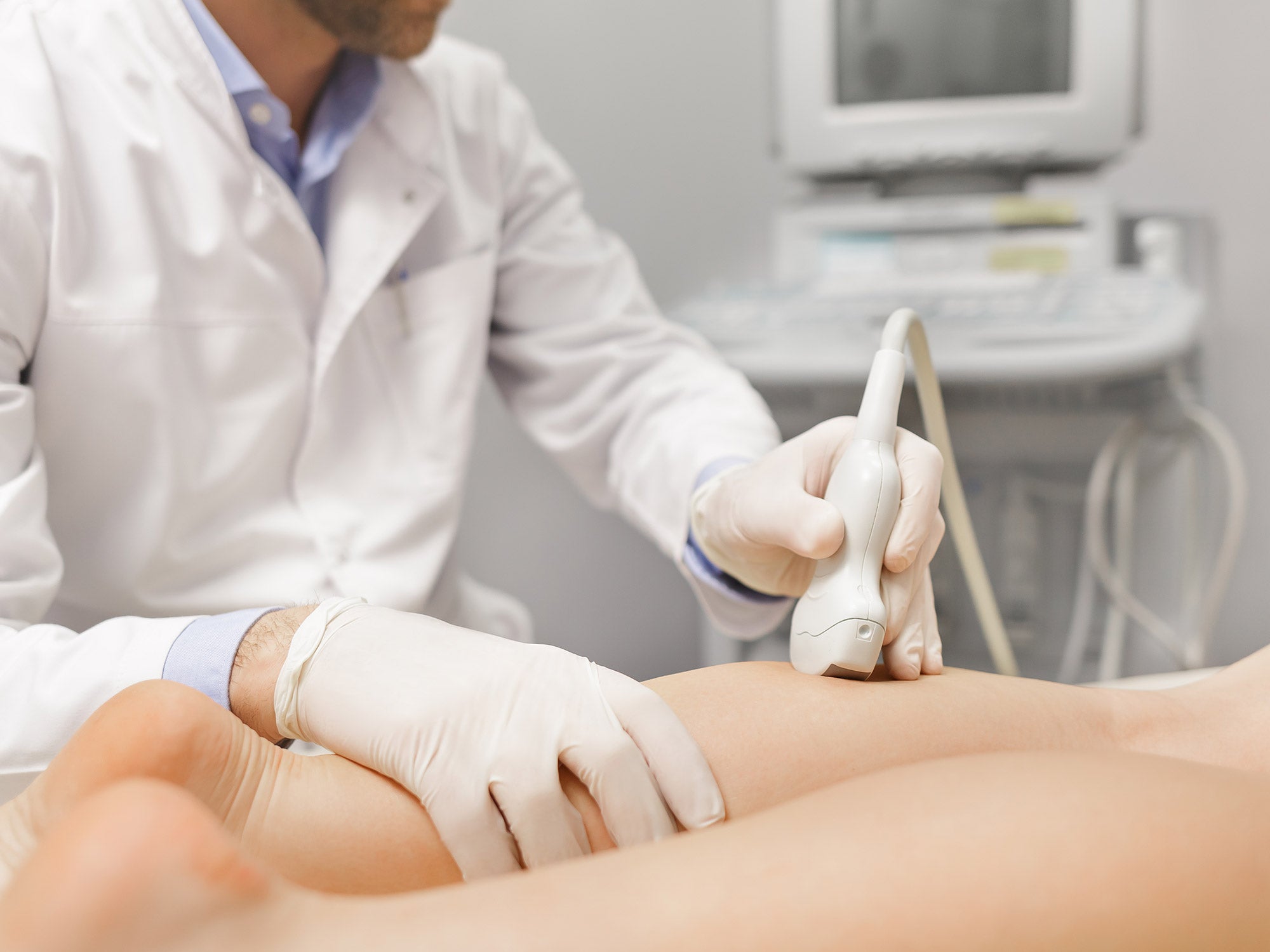
Develop foundational knowledge and practical skills in medical ultrasound, including ultrasound physics, scanning techniques, abdominal imaging and paediatric and superficial-part ultrasound, as a pathway to further study in medical sonography.

Build the skills to analyse public health challenges, develop evidence-informed responses and improve population health through study in epidemiology, health promotion, policy, biostatistics and research.

Turn your commitment to social justice into a professional career. Build specialist knowledge and practical experience through online study, in-person intensives and 1,000 hours of supervised placements.


Build advanced nursing skills in clinical practice, applied pathophysiology, evidence-informed care and healthcare quality, with fully online study and workplace-based assessments designed for registered nurses.


Develop specialist nursing education capabilities in evidence-informed teaching, learning design and clinical facilitation while strengthening your ability to support professional development and improve learning outcomes in healthcare settings.

With the option to progress into a Master of Public Health, this course is delivered 100% online and is designed for professionals passionate about public health.

Explore human behaviour, cognition, development, psychological disorders and research. Build foundational psychological knowledge through an APAC-accredited qualification designed for graduates from diverse academic and professional backgrounds.

Examine population health challenges through epidemiology, biostatistics, research and health promotion. Explore Indigenous public health, health inequities and evidence-informed approaches to improving community health outcomes.

Build advanced nursing capabilities through clinical assessment, evidence-informed practice, research and healthcare leadership. Choose Acute Care, Critical Care or Flexible study pathways to deepen specialist knowledge.
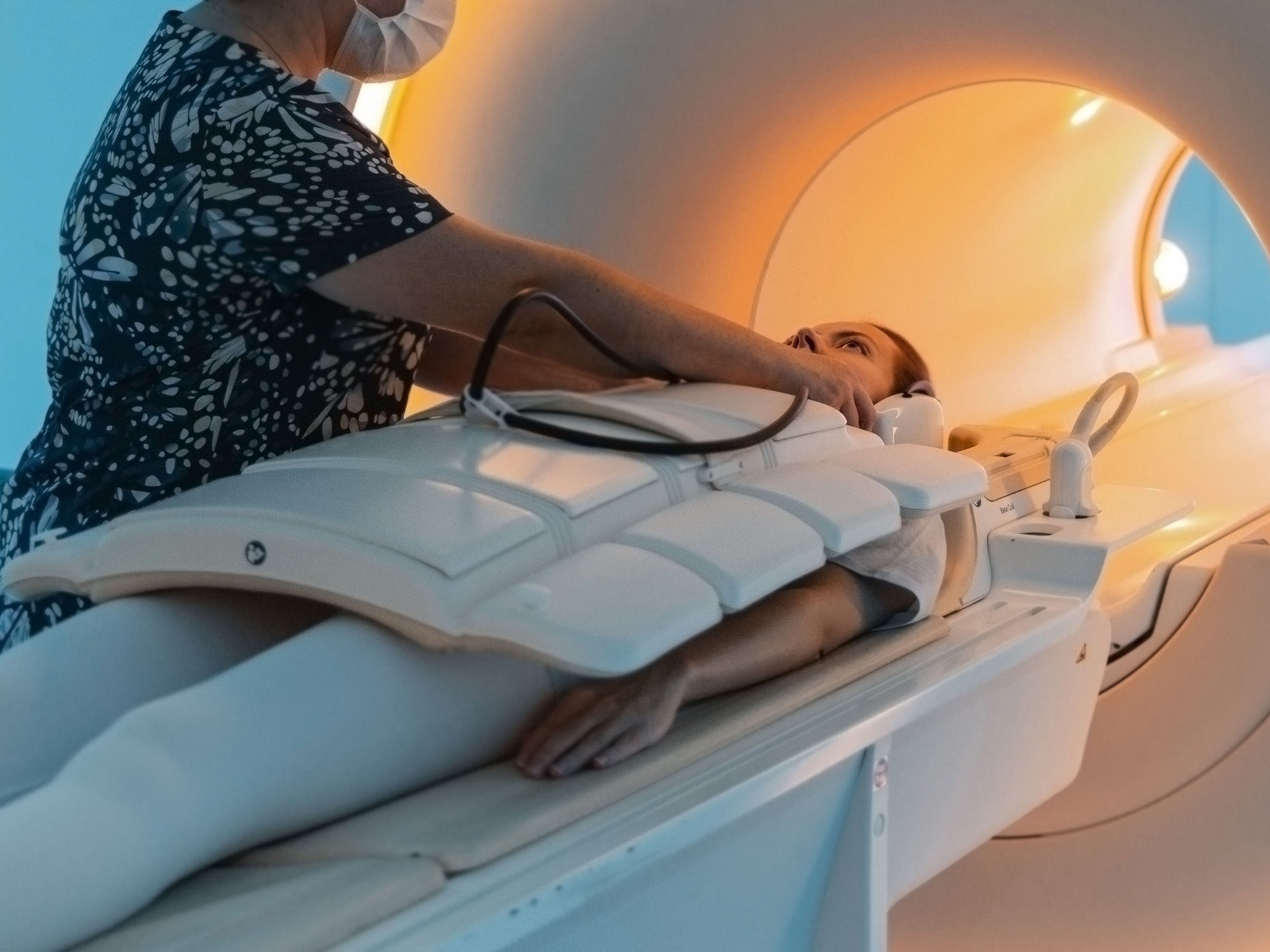
Develop advanced nursing capabilities in acute care, clinical assessment, patient deterioration, evidence-informed practice and healthcare leadership. Strengthen specialist knowledge to support safe, responsive and person-centred care.

Delivered 100% online and in one of Australia's fastest-growing sectors, this course is for nurses who want to improve person-centred care outcomes in a range of health care settings.

Delivered 100% online, this course provides a deep understanding of the complexities of the Australian health and social care systems and the skills to navigate its unique politics, policy and data.

Develop advanced knowledge of epidemiology, biostatistics, health promotion and disease prevention. Explore population health challenges and choose a pathway in data analytics, leadership or broader public health practice.


Develop specialist knowledge of child and adolescent mental health through age-appropriate engagement, assessment and trauma-informed care, exploring approaches to supporting young people's wellbeing across diverse settings.

Develop specialist mental health knowledge through recovery-oriented practice, trauma-informed care and biopsychosocial perspectives, exploring approaches to supporting individuals, families and communities experiencing mental health challenges.

Develop specialist mental health nursing knowledge through recovery-oriented practice, trauma-informed care and biopsychosocial perspectives, strengthening your understanding of person-centred support for people experiencing mental health challenges.

Strengthen your nursing practice through leadership, coordinated care, culturally responsive community health and evidence-based improvement, developing postgraduate knowledge to support healthcare quality and professional practice.

Build foundational knowledge in public health, epidemiology and biostatistics while exploring population health, health promotion and the social, cultural and environmental influences on community wellbeing.

Deepen your mental health nursing expertise and strengthen your approach to complex care. Develop knowledge in recovery, trauma-informed practice and care coordination, with a pathway to master’s study.

Build specialist expertise to support young people’s mental health. Develop skills in engagement, assessment and evidence-based approaches, connecting research with family-focused and collaborative practice.

Deepen your mental health expertise and strengthen your capacity to lead change. Develop evidence-based approaches to care, collaboration and research that build on your existing professional practice.

Advance your mental health nursing practice and your capacity to lead. Build specialist expertise in assessment, therapeutic care and research to support recovery and influence service improvement.

Turn nursing experience into leadership influence. Build the management, financial and research capabilities to guide teams, improve services and shape the delivery of patient-centred care.

Lead informed responses to health challenges that cross borders. Combine public health expertise with specialist knowledge in global health systems, economics and leadership to influence decisions and advance health equity.

Turn public health evidence into initiatives that engage people and improve wellbeing. Build specialist expertise in health promotion, community engagement and social marketing to advance healthier, more equitable communities.