

In This Article
- What is a marketing campaign?
- Top 6 marketing campaigns in Australia in 2025
- Key themes of successful marketing campaigns in 2025
- How businesses can curate strong marketing campaign strategies
- Looking ahead: marketing trends for 2026
- How postgraduate study can turn you into a successful marketing professional
- Market yourself better with a postgraduate degree
2025 brought us a variety of memorable marketing campaigns that tugged on our heartstrings, made us laugh or invited us to think. But what made these campaigns resonate so well, and how can companies apply these insights to create their own marketing campaign strategy?
In this article, we highlight some of Australia’s best marketing campaigns released in 2025, examine common themes within these campaigns and explore trends marketers should prepare for in 2026. You’ll also gain insight into how postgraduate study can help elevate your marketing career.
What is a marketing campaign?
A marketing campaign is a coordinated series of activities designed to promote a product, service or brand within a specific timeframe and budget. Businesses rely on marketing campaigns to reach their targeted audience and achieve various goals that can contribute to their growth, including boosting brand awareness, driving customer acquisition, increasing sales and improving brand affinity. Depending on its objective, a marketing campaign can range from short-term efforts like seasonal promotions to long-term initiatives like television commercials (TVCs) that can run for months or even years.
Types of marketing campaigns
Marketing campaigns can be delivered across both traditional and digital platforms, with each offering unique advantages. Digital channels can often offer valuable data about customers by tracking their buying behaviour, allowing companies to customise marketing efforts according to their needs. In contrast, traditional methods may be more effective in reaching local audiences and those who are online less frequently. It’s not uncommon for a business to leverage both approaches to expand their reach and build a well-rounded marketing campaign.
Below are some of the common digital and traditional channels used to run marketing campaigns:
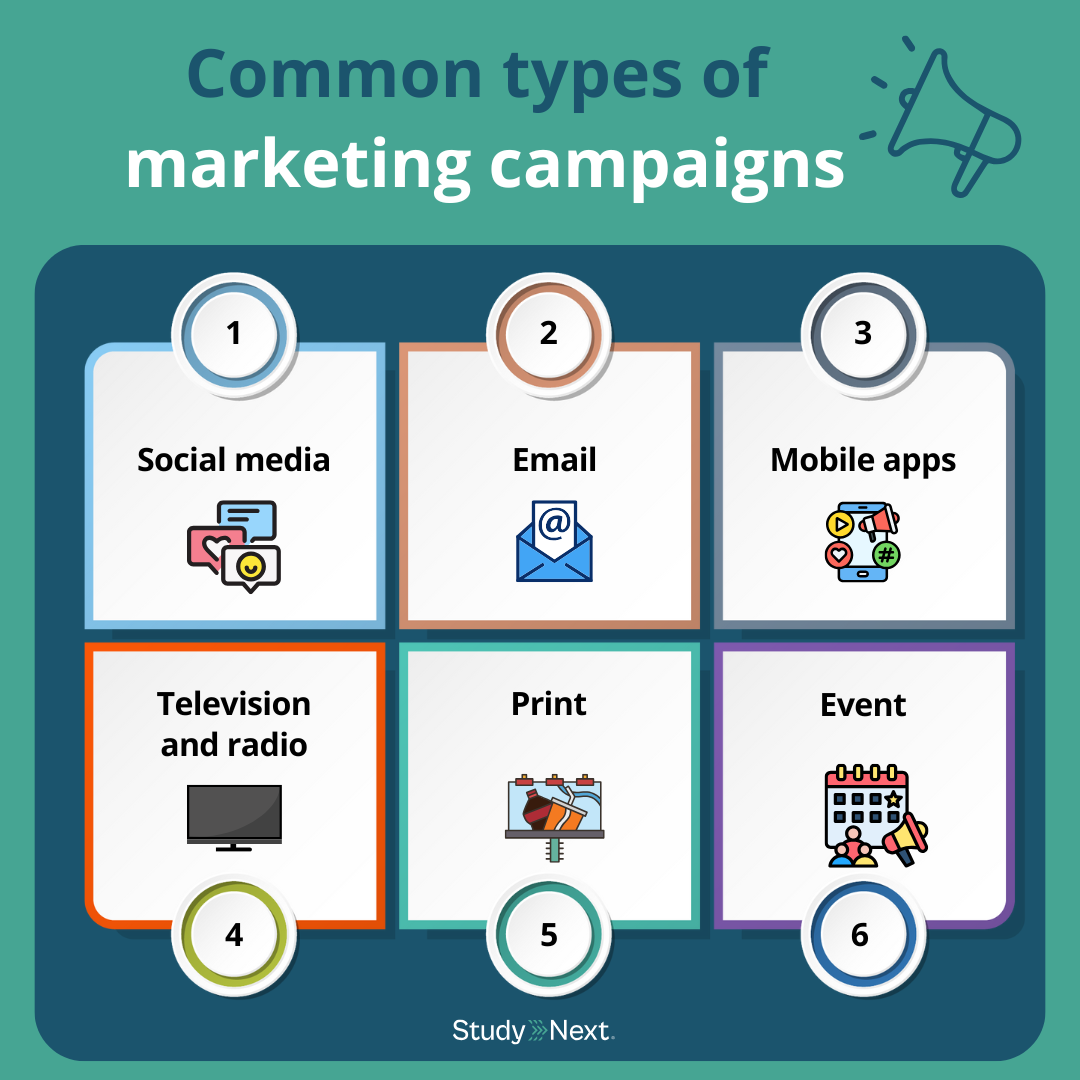
Social media: Platforms like Instagram, Facebook and TikTok offer brands a natural way to build community and remain relevant in the online space. They can jump on viral trends, collaborate with influencers and encourage people to post about their brand with user-generated content (UGC) to increase engagement.
Email: This channel provides a direct way for brands to communicate with their customers about product releases, latest promotions and other news. By sending regular updates to their inbox, brands can maintain their visibility and keep customers engaged.
Mobile apps: Marketing campaigns designed for smartphones and tablets are essential to reach a wide range of customers in today’s mobile-centric society. Brands can market themselves through various ways, including in-app advertisements, push notifications and loyalty programs.
Television and radio: Even in an increasingly digital world, traditional broadcast media can still play an important role for brand awareness through channels like television, radio and cinema. These platforms are usually used by organisations that are aiming for broad exposure across diverse demographics.
Print: Brands that want to establish their presence in physical spaces can opt for outdoor advertising like billboards and posters, in settings such as at train stations, to capture attention in high-traffic areas. Newspapers and magazines can also be effective in targeting audiences who actively consume these publications.
Event: This marketing channel offers experiences that can connect brands to their audiences in real life, such as pop-ups, trade shows and influencer brand trips. These events allow businesses to create memorable and positive experiences that can strengthen their reputation and customer loyalty.
Top 6 marketing campaigns in Australia in 2025
Some of the most notable marketing campaigns in Australia in 2025 have come from well-known companies like Coca-Cola, Meat and Livestock Australia (MLA), Allianz, Mastercard, DiDi and Nude by Nature. These campaigns stand out for their unique and innovative ways in promoting their brand, with some of them receiving awards as recognition for their impact. Discover how these campaigns met their success below:
Meet Me at The Coke Sign
Campaign release date: January 2025
Company: Coca-Cola
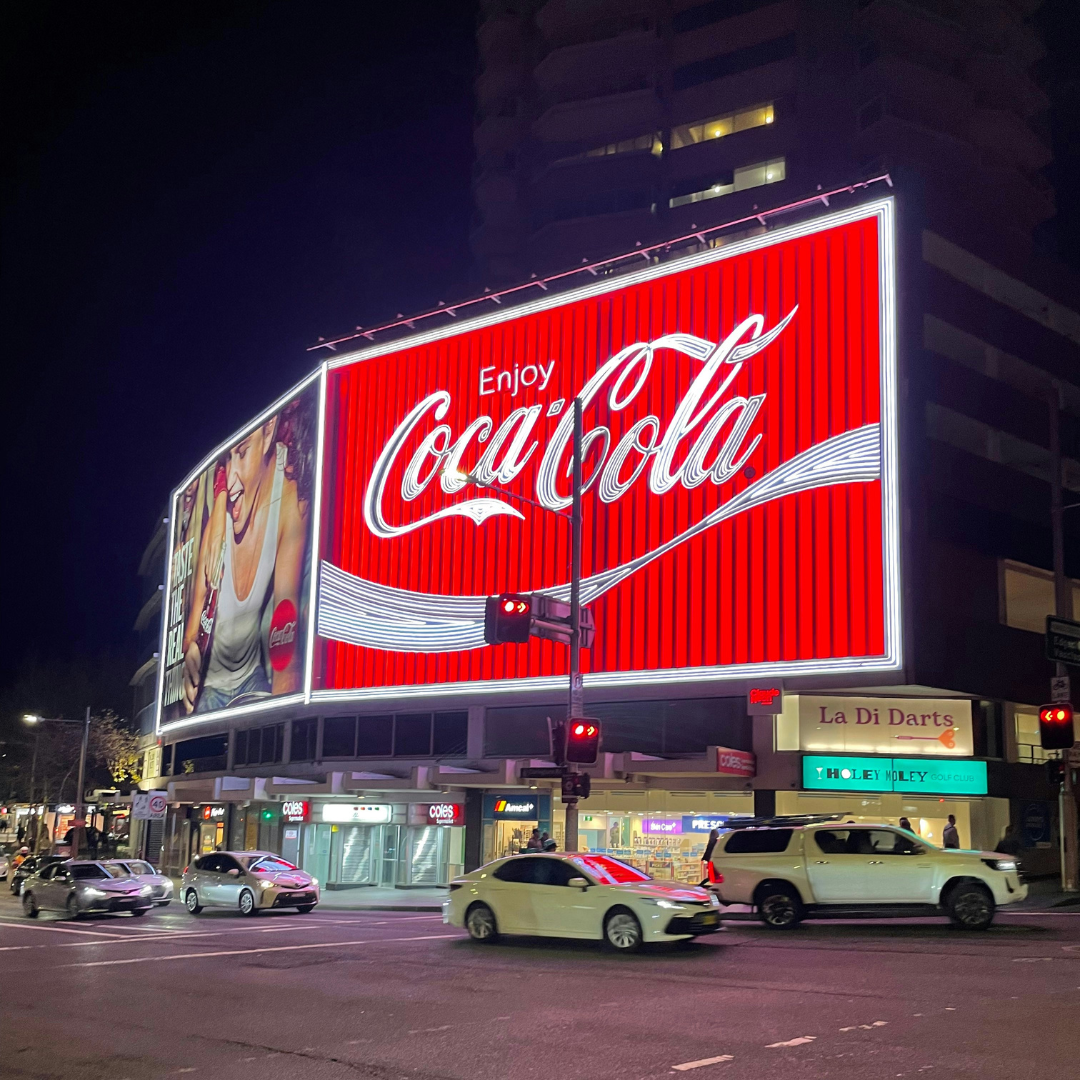
What was this campaign about? First installed in 1974, the iconic Coca-Cola sign inKings Cross has witnessed decades of key annual events in Sydney and served as a popular meeting point for locals. To celebrate its 50th anniversary, Coca-Cola transformed the billboard into a living collection of local stories, featuring a QR code that allowed residents to share memories connected to the Coca-Cola sign.
Why was this campaign successful? The marketing campaign was culturally relevant among locals as it’s connected to their shared history, evoking a sense of nostalgia for those who grew up with the billboard. The campaign also encouraged community participation, which promotes emotional connection and makes it feel more inclusive rather than purely promotional. By inviting residents to share personal anecdotes, Coca-Cola has positioned itself not just as a beverage company but as a symbol of shared experiences. This campaign won a Silver Lion in the Outdoor category at the 72nd Cannes Lions International Festival of Creativity in 2025.
The Comments Section
Campaign release date: January 2025
Company: MLA
What was this campaign about? Since 2005, MLA has released an annual lamb advertisement as part of its summer campaign. The organisation often pokes fun at topical events and aspects of Australian culture, using humour to promote lamb as a unifying national food. For its 2025 video advertisement, MLA used real online comments on various topics that divided the nation, from how to make a cup of tea to the viral Australian breakdancer from the 2024 Olympics, Raygun. After the advertisement premiered on Seven and Nine’s evening news, the campaign was rolled out in multiple formats, including streaming services, YouTube, cinema screenings and out-of-home (OOH) placements.
Why was this campaign successful? This marketing campaign generated significant buzz due to its cultural relevance. By incorporating actual online comments from real everyday Australians, MLA amplified cultural unity and inclusivity rather than just imposing its own brand narrative. The advertisement won a Silver Lion at the Cannes International Festival of Creativity in the Film/Viral Film category, standing out among 1,636 global entries alongside top brands like Apple, Nike and L’Oréal.
The Flight of the Finch
Campaign release date: May 2025
Company: Allianz
What was this campaign about? Allianz released a heart-tugging TVC that aimed to show its commitment to offering Australians care and confidence throughout their insurance journey. Set to Avril Lavigne’s power ballad ‘I’m With You’, the emotional commercial featured a mother finch battling fierce winds and rain to protect her precious egg. Right when she was about to reach her limit, a strong eagle soared in to support her journey through the storm until she reached home safely.
Why was this campaign successful? The emotive storytelling of the commercial resonated with many Australians, as the mother finch trying her best to protect her egg reflects the hardship of safeguarding what matters most to you. Rather than spelling out Allianz’s message directly, the insurance company relied on the eagle to symbolise its guarantee of care and support for its customers. The metaphor, paired with striking visual effects, contributed to the campaign winning a Gold award at the 2025 Australian Effects and Animation Festival Awards in the Commercials Animation category.
Transit Tales
Campaign release date: August 2025
Company: Mastercard
What was this campaign about? Available to more than 1.2 million daily users of Sydney’s train and metro network, Mastercard offered a free digital experience of customised audio stories tailored to the duration of commuters’ journeys. Powered by artificial intelligence (AI), it covers a wide range of literary classics like Romeo and Juliet, The Wizard of Oz and The Great Gatsby. Sydneysiders could choose to have these stories reimagined in different genres like sci-fi fantasy, mystery thriller and dystopian adventure. Commuters could access the experience by scanning a QR code displayed on Mastercard’s train and metro station ads, which would direct them to the brand’s dedicated website page for the campaign.
Why was this campaign successful? The campaign was revolutionary as it integrated emerging tech to deliver personalised experiences, demonstrating how Mastercard prioritises innovation and strives to enhance even the mundane routine of commuting. By offering free entertainment, the company provided commuters with something engaging and enjoyable to pass the time during their commute. This marketing campaign received recognition at the 2025 ONE Asia Creative Awards, winning Bronze in the Experiential Audio category and Silver in the AI Craft - Storytelling and Experiential Radio and Audio categories.
Yes, I DiDi
Campaign release date: July 2025
Company: DiDi
What was this campaign about? In July, DiDi launched a new brand platform designed to promote more social outings across Australia. It features the character Nudgy, who plays a catchy tune with his flute to keep the energy at parties going. The official commercial incorporated surreal and quirky elements, encouraging viewers to say "yes" to spontaneous nights out and using DiDi to get to different venues. Nudgy has since appeared across billboards, television and social media. Ahead of the launch, unbranded footage of Nudgy in a Sydney bar surfaced on TikTok and Instagram, garnering over 50 million views with people speculating about his origin.
Why was this campaign successful? The creativity behind this brand platform helped DiDi to stand out, with people already curious about Nudgy before the official launch. By encouraging people to embrace spontaneous adventures, the campaign positions DiDi not just as a mode of transport but a vehicle of social connection and shared experiences. The highly memorable characters from the commercial also led to the casting director, Natalie Jane Harvie, receiving ‘Best Casting in a TVC’ at the 2025 Casting Guild of Australia Awards.
Cheat
Campaign release date: June 2025
Company: Nude by Nature
What was this campaign about? Local beauty brand Nude by Nature rolled out a fun and disruptive OOH advertising campaign to promote their new product launch. It involved a parked Range Rover in Sydney’s Eastern Suburbs painted with the word “CHEATER” in white letters, designed to resemble a classic revenge scene. Passersby could find a note attached to the car containing a QR code that invited them to “cheat” on their current mascara with the brand’s new product called Lash Affair.
Why was this campaign successful? This public stunt grabbed people’s attention by blurring the lines between marketing and real-life drama, sparking curiosity from those encountering the car. In the video posted by the brand on social media, many people were spotted taking pictures and interacting with the vehicle. By taking its new product launch into the streets instead of using traditional advertising methods, the brand executed guerilla marketing effectively with elements of surprise and drama to capture public attention. This unconventional method helped the business to stand out, turning the stunt into content that drew more engagement with the brand. The cheeky campaign received buzz online and the beauty company’s posts across Instagram, TikTok and Facebook related to this campaign generated over 1.2 million views.
Key themes of successful marketing campaigns in 2025
Successful marketing campaigns in 2025 focused on several recurring themes, including shared experiences, originality and creativity, audience participation, technology, as well as emotional resonance and nostalgia. These elements helped brands to leave a lasting impression on their targeted audiences. Find out how below:
Shared experiences
Multiple brands positioned themselves not just as providers of products or services, but also as symbols of mutual connection and collective experiences. Coca-Cola's "Meet Me at the Coke Sign" billboard evolved into an archive of personal memories among local residents. DiDi's "Yes, I DiDi" reframes the rideshare service as an enabler of spontaneous night outs, while MLA's "The Comments Section" brought Australians together by satirising cultural moments that are relatable to them. This theme demonstrates how brands can sustain visibility by embedding themselves as meaningful participants in their targeted audience’s shared experiences.
Originality and creativity
Many memorable marketing campaigns stood out because of their originality and creativity. "Yes, I DiDi" introduced a quirky main character and produced an original track that was made available on Spotify called “That Song From The DiDi Ad”. Nude by Nature’s staged revenge scene presents a creative way for beauty brands to promote their new products in an oversaturated beauty market. Allianz’s "The Flight of the Finch" used creative metaphorical storytelling to differentiate itself from typical insurance advertisements. In an era where AI-generated content can be pervasive in the media, originality and creativity can play a vital role for brands to cut through the noise.
Audience participation
Many leading campaigns in 2025 invited consumers to engage rather than passively consume. Coca-Cola encouraged locals to share their histories, while Nude by Nature prompted onlookers to scan a QR code to find more information about the staged love affair. MLA also directly included everyday Australian voices by using their real comments in its advertisement. By transforming audiences into active participants, brands can foster deeper connections by making them feel included and valued.
Technology
Technology played a central role in elevating several top campaigns in 2025. Mastercard leveraged AI to deliver personalised audio stories tailored to individual commute times, while Coca-Cola, Mastercard and Nude by Nature strategically used QR codes to provide a digital experience to those encountering their campaigns in physical spaces. For Coca-Cola, in particular, the use of technology modernises its legacy, making the campaign relevant to both older audiences, who are familiar with the sign’s history, and younger, more tech-savvy consumers. These campaigns demonstrate how technology can add genuine value for brands and boost their engagement.
Emotional resonance and nostalgia
Emotional resonance often serves as a powerful tool to connect brands with their audiences. Allianz’s "The Flight of the Finch" TVC, depicting a mother finch trying her best to protect her egg, invites viewers to empathise with her journey and root for her safety. Using Avril Lavigne’s song, which came out in 2002, can evoke nostalgia among viewers who grew up in that era and may now be at the stage of considering insurance. Coca-Cola’s historic billboard can also be nostalgic for locals who have lived in the area for decades, reminiscing about the good times they had involving the sign through the brand’s marketing campaign. By tapping into deeper emotions, brands have the opportunity to cultivate meaningful bonds with their audiences.
How businesses can curate strong marketing campaign strategies
Creating a strong marketing strategy often requires businesses to plan carefully, which involves identifying their target audience, establishing marketing goals and highlighting their unique traits. It’s also important for their marketing material to be creative and designed to resonate with their audience. After the campaign is launched, businesses should continuously monitor its performance and make refinements if necessary. Learn more below:
-
Define your target audience
The first step to building a strong marketing campaign is to understand who you want to speak to. Rather than trying to expand your reach to as many people as possible, it may be more effective to focus on a niche market or specific customer profiles that are most likely to engage with your brand.For example, Sydney commuters can pay for public transport by tapping their contactless Mastercard. To increase brand awareness and encourage them to choose Mastercard as their preferred payment method, the company targeted these daily commuters by offering free personalised audio experiences to enrich their typically mundane travel time. Identifying your target audience can help you concentrate your marketing efforts, which may lead to stronger and more effective results.
-
Determine your goals
A campaign’s success often depends on its ability to achieve its intended objectives, whether it’s boosting brand affinity, generating leads or increasing sales. For instance, Coca-Cola’s campaign that revolved around the 50th anniversary of its Kings Cross billboard focused on reinforcing its cultural presence, rather than selling a specific product. On the other hand, Nude by Nature’s marketing stunt included a QR code that allowed new users to purchase their new mascara product for only $1. This campaign was designed to attract new customers and get immediate sales. By clearly defining your goals, you can develop effective strategies for your marketing campaign as well as metrics to measure its success. Without clear objectives, you won’t be able to determine whether your marketing efforts are working or if adjustments are needed. -
Highlight what makes you unique
Setting yourself apart from brands with similar business models is essential. You need to show the unique value your offering brings rather than relying on generic selling points. DiDi, for example, operates in the highly competitive ride-sharing market with established companies like Uber. Instead of focusing solely on price or convenience, DiDi taps into the desire for connection and memorable experiences, encouraging people to associate fun and spontaneity with the brand. By highlighting what makes your brand distinctive, you can encourage consumers to choose you over others, helping you stand out in a crowded marketplace. -
Embrace creativity
In an oversaturated media landscape, creative campaigns typically have more potential to capture attention and spark engagement. Engaging storytelling, humour and unexpected elements often prompt audiences to pause and engage. MLA’s lamb advertisement displayed creativity by using humour to diffuse cultural debates with its lamb, reinforcing its role as Australia’s red meat provider.Nude by Nature leveraged shock value to get people’s attention with its dramatic public stunt. The beauty brand’s campaign showed that impactful marketing doesn’t always rely on big-budget commercials, but on bold ideas that can draw attention. By thinking out of the box, businesses can find unconventional ways to reach their audiences.
-
Connect with your audience
It’s important to consider how your campaign’s brand messaging is delivered so it resonates effectively with your target audience. For example, the emotional storytelling and clever metaphor of Allianz’s advertisement demonstrate how the company will make sure you’re in good hands throughout your insurance journey. This approach can make insurance feel more personal and meaningful rather than transactional. Finding the right approach to connect with your audience can help encourage more positive engagements. -
Pick the right marketing channels
Not every platform will work for every campaign. It’s vital to choose channels based on where your target audience spends their time and how they consume content. Mastercard’s “Transit Tales” was designed for commuters who would be on their mobile phones or tablets throughout their journey. By combining OOH advertising in train stations with a mobile platform that delivered tailored and unique stories, the brand created a campaign that wouldn’t have been effective in other formats, such as a TVC or a radio advertisement, as it required users to access the AI-powered experience on their mobile devices directly. Aligning the right channels with the right audience helps your campaign reach people effectively and in the right context. -
Track your campaign and adapt
Unexpected things can sometimes be inevitable. What makes or breaks your campaign is how you choose to adjust it to continue providing value for your audience. Developing this flexibility can help you prepare better for future campaigns.
Once your marketing campaign is launched, you need to perform continuous monitoring and refinement. You can leverage various analytical tools to track relevant key metrics like impressions, bounce rates and conversion rates. Sometimes, you may even need to change the terms of your marketing campaign to adapt to changing circumstances. For example, in September 2025, Australian burger chain Grill’d offered a ‘buy one get one free’ promotion on its special OP81 burger. Made in collaboration with Melbourne-born Formula One driver, Oscar Piastri, the promotion activated every time he scored a podium finish on a race weekend. However, the driver was unable to achieve one for the next five races, prompting the burger chain to modify its offer in November, changing it so it applied every time he crossed the finish line.
Looking ahead: marketing trends for 2026
Key trends for businesses to watch in 2026 include prioritising UGC, rethinking youth marketing, using AI more strategically and transparently, tapping into audio media opportunities and positioning offerings as accessible joys. Keeping these emerging trends in mind can help businesses prepare better to navigate this rapidly evolving industry. Discover what these trends entail below:
Prioritise UGC
According to Deloitte’s Media and Entertainment Consumers Insights report in 2025, Gen Z and millennials are consuming more UGC, driven by their preference for snackable, short-form content. For businesses targeting these demographics, this trend highlights the importance of integrating UGC into marketing strategies. This can include promoting branded hashtags or hosting competitions to encourage customers to post content like product reviews, tutorials, unboxing videos and more. When users actively participate, campaigns tend to feel more genuine and relatable.
Reassess youth marketing
Starting from 10 December 2025, Australia’s social media ban will take effect, preventing those aged 16 and under from keeping or creating accounts on social media applications like TikTok, Instagram, YouTube, Snapchat, X, Facebook and more. This regulatory shift will push brands targeting teenagers and children to rethink their marketing strategies. Instead of relying on traditional social media platforms, they need to explore alternative channels to reach younger audiences. Adapting to this change will be crucial for them to ensure compliance while still engaging with this demographic.
Integrate AI thoughtfully and transparently
As AI becomes more embedded in modern workplaces, it’s important for businesses to find the right balance between automated efficiency and authentic connection. Some brands have faced backlash for using generative AI in their advertisements, with consumers believing they lack human warmth. While AI is capable of many functions, its application should be focused more on optimising and enhancing workflows rather than replacing human creativity.
AI transparency is also a growing issue in Australia. According to Bench Media’s AI and Consumer Sentiment report released in 2025, nearly half of Australians want brands to clearly disclose when AI is used. Hidden automation or unlabelled AI content may risk eroding trust among consumers, which may cause them to turn away from the brand. One way for companies to build credibility is to publish their AI usage policies across their channels. By using AI thoughtfully and communicating its role openly, businesses may be able to retain customer trust while still harnessing its benefits.
Leverage the rising trend of audio consumption
Mastercard’s audio campaign in 2025 took advantage of the rising trend of Australians’ audio consumption. Deloitte’s Media and Entertainment Consumers Insights 2025 report discovered that the overall media consumption is declining, except for audio. The Audio Advertising State of the Nation report published in February 2025 by the Interactive Advertising Bureau Australia supports this growing trend, as it recorded a 17.8 per cent year‑on‑year increase in digital audio and podcast advertising in 2024 compared to 2023. Edison Research’s The Infinite Dial Australia 2025 report revealed that 52 per cent of Australians consume podcasts monthly, up eight per cent from the previous year. For businesses, this presents a significant opportunity to reach audiences through audio platforms at a time when many media channels are seeing reduced engagement. They should consider leveraging podcast advertising as a way to broaden their reach and connect with consumers more effectively.
Promote accessible joys
With rising living costs in Australia, consumers are becoming more mindful about how they spend, often prioritising small, affordable treats that can enhance their wellbeing. The National Australia Bank’s Economics Consumer Spend Trend October 2025 report revealed a 9.8 per cent rise in personal goods spending year-on-year, demonstrating how Australians are investing more in life’s everyday pleasures. Rather than splurging on luxury items, they may purchase video games to help them unwind after work, skincare products to establish daily self-care routines or fashion accessories that allow them to express their personal style and feel more confident.
With this trend, businesses can shift their marketing strategies from promoting offerings as exclusive luxuries to accessible mood boosters. This may appeal to consumers who want meaningful moments of joy from their purchases while still remaining mindful of their finances.
How postgraduate study can turn you into a successful marketing professional
Pursuing postgraduate study can help equip you with the skills needed for success as a marketing professional. In today’s rapidly evolving landscape, influenced by rapid technological advancements and shifting trends of media consumption among customers, it can be crucial to continuously update your marketing expertise to not just keep up but to get ahead. Whether you’re looking to enhance your existing knowledge or pivot into marketing from another field, there are plenty of postgraduate courses in marketing and digital marketing available in Australia, allowing you to choose a program that aligns with your professional goals.
If you’re looking to gain foundational knowledge in digital marketing at a postgraduate level, Curtin University’s Graduate Certificate of Digital Marketing can provide insight into a wide range of digital platforms and strategies. Offering Social Media Marketing as well as Storytelling and Digital Media as core units, you’ll learn how to identify customer groups, examine effective SEO and SEM campaigns and understand social media marketing. You’ll also have the chance to develop and execute an online marketing campaign during your studies.


Explore the foundations of various digital channels, study digital strategies, tactics and relevant analytics. In doing so, you will learn about the tools of digital marketing and the theories behind using these tools to guide strategic decision-making.
If you’re seeking a more in-depth learning experience, there are plenty of graduate diplomas you can consider pursuing in this field. In the Graduate Diploma in Marketing course at the University of Technology Sydney, you’ll explore various topics relevant to the evolving marketing landscape, including marketing communications, brand management, social impact and data analytics. The core units in this program include Marketing Communications, Marketing for Social Good and Brand Management. You’ll learn how to recognise marketing management challenges and formulate strategies applicable both within Australia and international markets.


This course is designed for individuals seeking a comprehensive understanding of marketing principles and management.
The University of Southern Queensland’s Graduate Diploma of Business (Digital Marketing) aims to produce graduates who can combine marketing expertise with digital analytics to effectively promote brands across diverse digital channels like search engines, social media and websites. In this program, you’ll learn how to leverage customer data, make data-informed decisions and support real business change. You’ll take on specialisation units such as Consumer Behaviour, Digital Marketing Analytics and Marketing Tools and Technologies.

Learn how to analyse, interpret and present data, in order to inform effective marketing strategies and tactics.
If you’re planning on completing a master’s degree to elevate your marketing career, you can consider pursuing the Master of Marketing at the University of Western Australia. The course covers essential marketing topics like advertising, competitive analysis and value creation, with core units such as Integrated Marketing Communications, Global Marketing Strategy and Marketing Analysis and Planning. As a student, you’ll also have the opportunity to participate in projects with real-world companies. Previous students in this course have collaborated with leading organisations like Google, Microsoft, Westpac and Coles.

Gain the knowledge, experience, and skills to become a dynamic marketing leader in an ever-changing world.
The Master of Digital Marketing at the University of Melbourne is designed for Bachelor of Commerce graduates with a background in marketing or early-career professionals in this field. This program includes core units like Social Media and Viral Marketing, Digital Marketing Metrics and Content Marketing. Besides getting insight from industry thought leaders, you can develop your skills in designing effective digital customer experiences, utilising digital metrics and crafting impactful viral content.


Learn how to problem-solve and become adept at analysing and solving complex digital marketing problems.
Market yourself better with a postgraduate degree
If you’re looking to build a long-term career in marketing, it’s essential to equip yourself with the right tools for success. Pursuing postgraduate study can not only sharpen your marketing expertise, but it can also give you the latest industry insights that can help you advance professionally. Take the first step towards a rewarding marketing career and explore various postgraduate marketing and digital marketing courses offered by leading Australian institutions.
If you're considering studying a postgraduate marketing degree or want to know more about what it entails, our Education and Careers Consultant, Catriona, can help. Book a quick chat or professional development strategy call to find out more about your suitability and get your questions answered.