
In This Article
- Relevance of sport in Australia
- What is a sports manager?
- What does a sports manager do?
- 6 steps to becoming a sports manager
- What is a typical sports manager’s salary in Australia?
- What skills does a sports manager need?
- Who should become a sports manager?
- 7 prominent sports managers in Australia
- Level up your game in sports management with postgraduate studies

The widespread popularity of sport in Australia creates growing opportunities for skilled professionals who can guide and support athletes throughout their careers. Sports managers play a crucial role in ensuring that athletes have sustainable and successful professional lives. By combining talent development, financial management and marketing expertise, these managers create opportunities for growth while safeguarding the welfare of sports professionals.
This article explores the integral role of sport in Australian society and provides guidance on how to build a sports management career. You'll learn the typical responsibilities of sports managers, expected salary ranges and the essential skills required for success. We also highlight notable sports managers in Australia who may serve as sources of inspiration for those aspiring to enter this field.
Relevance of sport in Australia
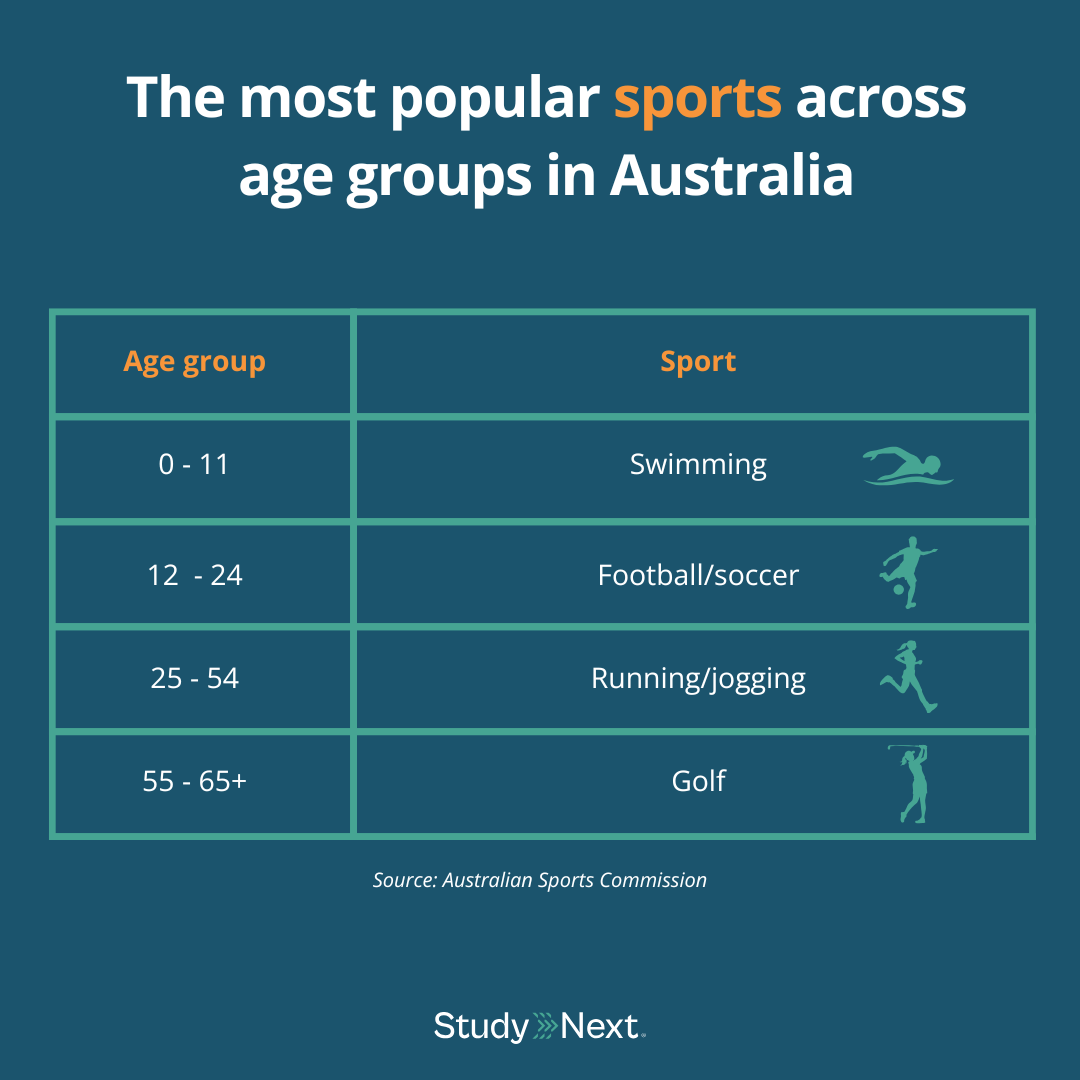
Sport is deeply woven into Australian culture, both as a source of entertainment and as a way of life. According to Deloitte’s Media and Entertainment Consumer Insights 2025 report, 84 per cent of Australians identify as fans of at least one sport. The survey also found the Australian Football League (AFL) to be the most popular sport, followed by tennis, rugby league, soccer and cricket. Interest in sports content continues to grow, with 57 per cent of Australians willing to pay for access, up from 53 per cent in 2024, reflecting the cultural and economic significance of sport across the nation.
The participation rate of Australians in sport further highlights its impact. The Australian Sports Commission’s A New Picture of How Australians Get Active report in 2025 revealed that 85 per cent of Australians aged 15 and over engaged in some form of sport or physical activity in the past year, equating to over 18 million people. Almost half of this group participated at least three times per week, demonstrating that sport is not just a pastime but a regular part of daily life. Among children, 71 per cent of those aged 14 and under took part in organised sport or physical activity at least once in the past 12 months, with equal participation between boys and girls.
Australia has seen numerous historical events in its history. For example, Cathy Freeman’s 400m victory at the Sydney Olympics in 2000 sealed her place as the first Indigenous and Torres Strait Islander athlete in Australia to win an individual Olympic gold medal. Similarly, Adam Scott made history by becoming the first, and currently only, Australian golfer to win the Masters Tournament at Augusta in 2013. These events are monumental as they bring the nation together and demonstrate Australia’s capability in producing world-class talent, spotlighting the country on the global stage.
Beyond playing and watching, sport also fosters community involvement. The Lifelong Involvement in Sport report found that over 2.8 million adults volunteer in sport each year, while more than 3.2 million contribute in non‑playing roles such as coaches, team managers or medical support personnel. This level of engagement suggests how sport can strengthen social bonds and provide opportunities for inclusion, making it a unifying force in Australian culture.
What is a sports manager?
Sports managers play a vital role in helping athletes thrive on and off the field. These professionals oversee diverse aspects of a sports career, including negotiating favourable contracts, securing brand deals and scouting emerging talent. They also regularly monitor athletes’ performance and market presence to assess their career progression and identify new opportunities.
These managers typically work with a wide network of people and organisations to support athletes. Their role often involves close collaboration with players, coaches and sports clubs to foster a supportive environment where sports professionals can perform their best. They may also engage with sponsors, brands and media outlets to build an athlete’s profile and secure commercial opportunities. Beyond business, sports managers often provide mentorship, welfare support and guidance to help athletes navigate professional challenges and personal growth.
Many sports managers operate in hybrid environments, balancing administrative work in an office setting with hands-on involvement on the field, court or turf. They may also work irregular hours, especially during competitive seasons. This role often requires travel, as sports managers may attend competitions, meet with potential sponsors or accompany their talent to major sports events and media appearances.
What does a sports manager do?
The duties of a sports manager encompass administration, finance and marketing, making them crucial to the long-term success of athletes. While their exact day-to-day responsibilities may vary depending on the sport and how much they’re involved in their talent’s career, some of their common tasks may include the following:
Organising an athlete’s schedule
- Managing long-term financial planning
- Negotiating contracts, sponsorships and partnership deals
- Developing marketing and promotion strategies to increase media visibility
- Recruiting and scouting new athletes
- Monitoring compliance with sports law requirements
- Developing training programs to support athlete development
6 steps to becoming a sports manager
Building a career in sports management in Australia typically involves pursuing tertiary studies, gaining practical experience through internships, volunteering and entry‑level roles. After taking on a sports manager role, it’s important to grow your professional network and stay informed about industry developments. Explore these steps in detail below to understand what your journey may look like:
- Gain a tertiary degree
The journey to becoming a sports manager usually begins with formal study. Educational requirements for sports managers can vary based on the specific role and organisation. Depending on your career goals, you may pursue a diploma or a bachelor’s degree in this field. Sports management courses generally provide essential knowledge in areas such as finance, marketing and sports law, giving you the foundation needed to build a career in the sports industry. Look for internship and volunteering opportunities
During your studies, consider gaining practical experience through an internship. Internships allow you to explore different aspects of sports management, such as organising events, coordinating teams and supporting individual athletes. They also provide valuable hands-on exposure to the realities of sports environments. Internships can help demonstrate to future employers that you are committed to developing specialised competencies for a career in sports management.Besides internships, you can also volunteer at various local sports events to gather experience. Through volunteering, you can strengthen your sports management skills and put yourself out there, allowing you to engage with industry professionals and expand your network.
- Apply for entry-level positions
With a sports management degree supported by practical experience, you’ll be well-equipped to pursue an entry-level role in this field. Depending on your position, your responsibilities may include administration, logistics or marketing support in sports environments. You may also assist senior colleagues with tasks while learning about the best industry practices. Entry-level careers in sports management can serve as stepping stones to more advanced or specialised roles as you accumulate the work experience needed to progress in your professional journey. - Pursue a sports manager role
Once you've gained a solid amount of experience, you'll be ready to apply for sports manager positions. When searching for opportunities, you can explore job boards, including SEEK and Indeed, as well as the career pages of sports organisations, clubs and athlete management agencies. It’s essential to personalise your resume to highlight relevant qualifications, hands-on experience and the specific skills that align with the position, especially since requirements can vary across different sports. As you gain more experience and establish yourself in the industry, you may also discover that opportunities can come through your network, demonstrating the importance of cultivating professional relationships in your career. - Strengthen your professional network
In a career that involves engagement with athletes, media outlets and brands, having the right contacts and building strong industry connections can be crucial in establishing your credibility as a sports manager. You can grow your professional circle by attending conferences, sports events and professional gatherings that allow you to meet experienced professionals in the sports industry. Cultivating these relationships may lead to valuable career guidance, mentorship and job opportunities. - Stay informed and future-ready
As you advance in your career, it’s important to keep up with the latest developments shaping the sports industry, such as regulatory changes and trends that can help you remain relevant. This may also involve enhancing your skill set with future-ready capabilities, such as data analytics. For example, Victoria University offers a Graduate Certificate in Data Analytics for Sport Performance, which is designed to build your expertise in sports performance analytics and key programming languages. You’ll learn how to examine, visualise and interpret sports performance data and communicate findings to both technical and non-technical audiences. By complementing your sports management knowledge with data analytics, you’ll be better positioned to make data-informed choices that enhance athlete success.


Gain a formal qualification in data science with a unique sports context.
What is a typical sports manager’s salary in Australia?
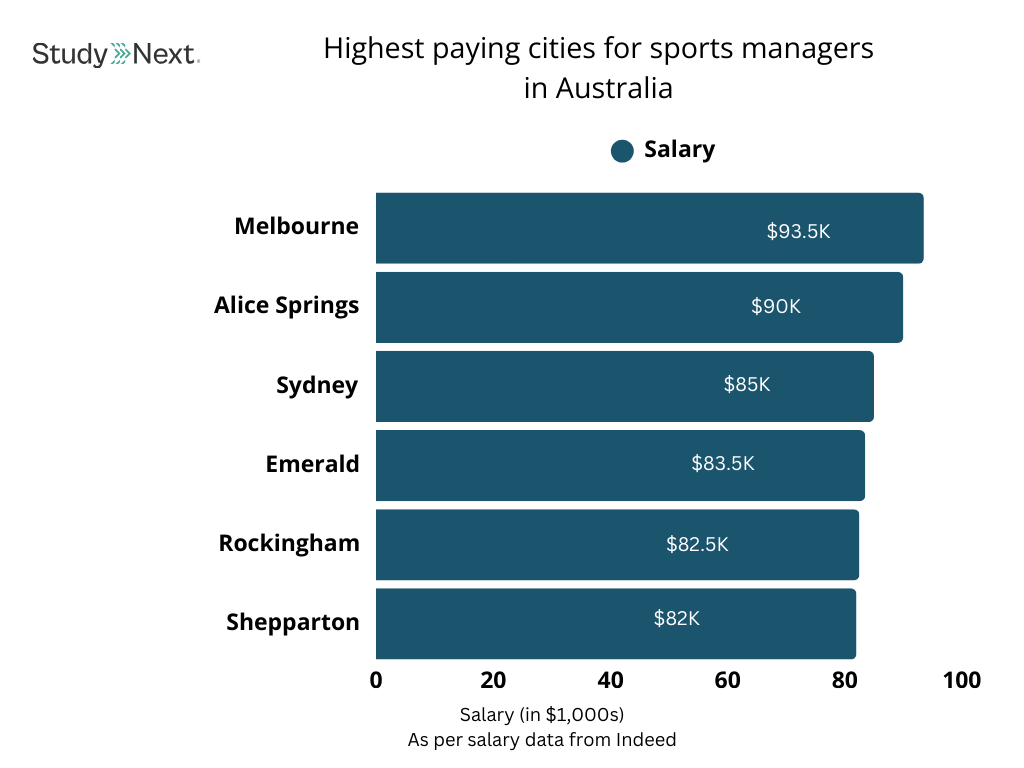
According to Indeed, sports managers in Australia earn an average salary of $80,500 annually. Your potential income can be influenced by your geographic location, experience and the sport you work in. Below are some of the top-paying cities in Australia for sports management professionals:
What skills does a sports manager need?
To succeed as a sports manager, you should have a well-rounded blend of hard and soft skills, including marketing acumen, knowledge of sports law, financial management, communication, strategic thinking and adaptability. These competencies can help you manage the complexities of sports management and provide support for your athletes. Find out why developing these skills is essential below:
Hard skills
Marketing acumen: This role typically involves brand building, capitalising on market trends, developing promotional campaigns and coordinating sponsorship deals. The ability to analyse market opportunities and execute strategic initiatives helps you enhance visibility and create value for athletes.
Knowledge of sports law: You need a solid understanding of legal frameworks governing sports, as this job often requires you to manage contracts, ensure athlete compliance with relevant laws and stay current with evolving industry regulations. This skill is crucial for helping you protect your talent from potential legal risks.
Financial management: As a sports manager, you should demonstrate strong financial acumen to handle budgets, manage financial planning and oversee contract negotiations. Mastering this competency helps ensure that your athlete’s career and your sports management business remain financially sustainable.
Soft skills
Communication: In this role, you’ll regularly interact with diverse stakeholders like athletes, coaches, sponsors and media personnel. Having effective communication skills enables you to understand diverse stakeholder needs and build strong relationships within the sports industry.
Strategic thinking: To help athletes build long, successful careers, you need to have strong strategic thinking skills. This ability is especially vital when you encounter financial constraints, logistical challenges and performance-related issues. Strategic thinking enables you to examine obstacles, develop appropriate solutions and implement strategies that drive positive outcomes for both athletes and the business.
Adaptability: For sports managers, adaptability is a crucial skill. Throughout your career, you may need to manage multiple tasks simultaneously, navigate competing stakeholder demands and adjust strategies as circumstances evolve, such as when new sports regulations are introduced. Being adaptable equips you to coordinate teams, events and resources effectively.
Who should become a sports manager?
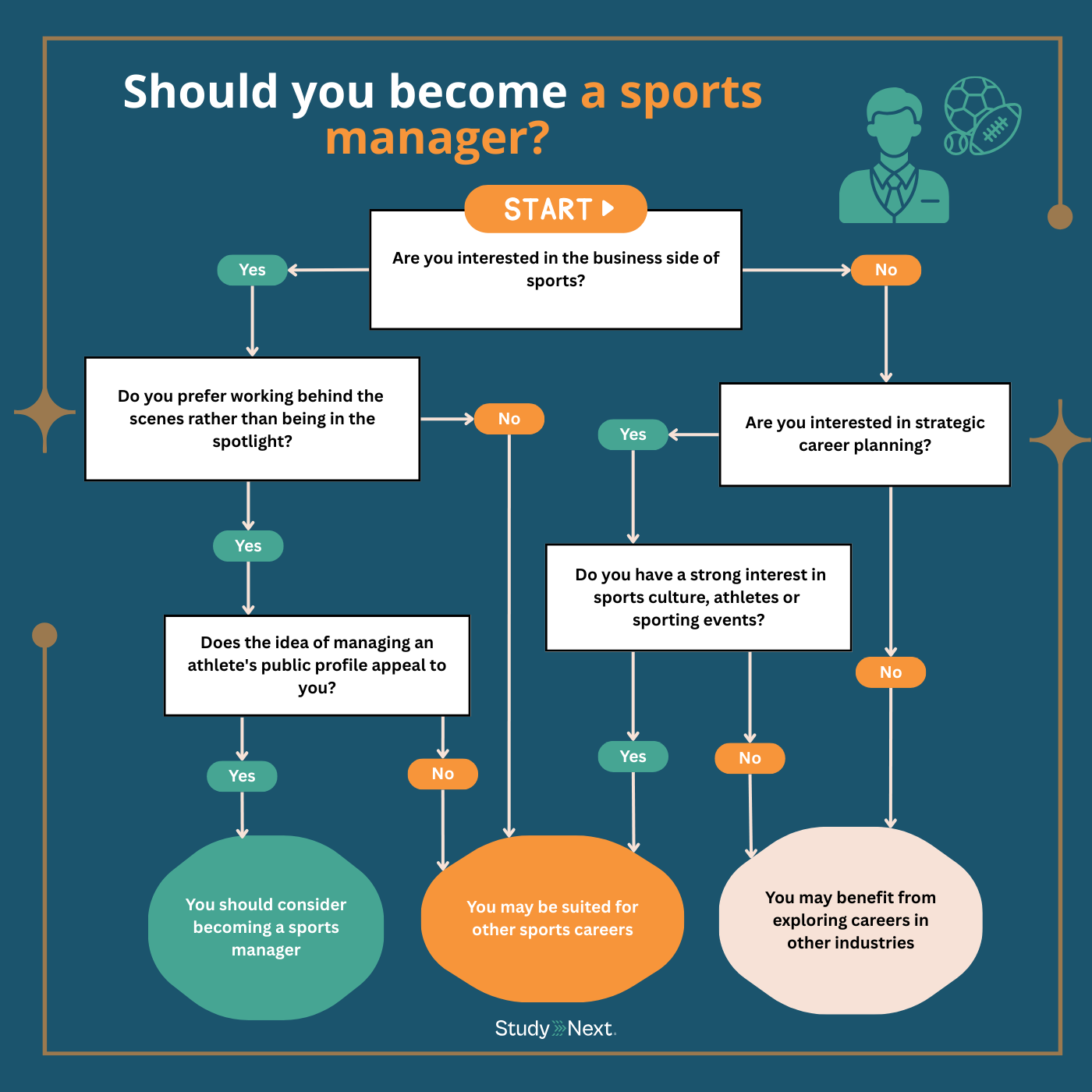
Pursuing a career that combines sports and management can be highly fulfilling for individuals who love sports and strategic career planning. It’s an ideal career path if you thrive on advocating for others, analysing sports trends and making decisions that shape an athlete’s professional journey. If you’re interested in working with diverse people and organisations in the sports industry to help athletes succeed, sports management could be a suitable career choice.
7 prominent sports managers in Australia
Some well-known sports managers in Australia include Mark Webber, Andrew McDougall, Anthony McConville, Tony Box, Alex McDonald, Alexandra Saundry and Lauren Gandini. They play a vital role in guiding the success of leading Australian athletes today, ensuring opportunities are maximised for them on and off the field. Learn more about these managers below:
Mark Webber
Mark Webber, a nine‑time Formula One (F1) Grand Prix winner, is a successful example of a sports professional transitioning to athlete management. Retiring from his F1 career in 2013, he now manages fellow Australian F1 driver Oscar Piastri, offering mentorship and strategic career guidance. Through his agency, JAM Sports Management, he also represents other athletes such as motorcycle trials rider Emma Bristow and motorcycle racer Max Fricke, combining his racing experience with business acumen to support athletes across motorsports.
Andrew McDougall
Andrew McDougall is currently the General Manager at Corporate Sports Australia (CSA), bringing both playing and management experience to his role. As a former AFL player and AFLPA‑accredited agent since 2012, he leads CSA’s player management division, which represents Australian athletes across AFL, netball, cricket and the Olympics. CSA provides a wide range of services, including contract negotiation, sponsorship, branding and career transition. Some of CSA’s current clients include footballer Finn Callaghan, netball star Courtney Bruce and AFL player Mitch Georgiades.
Alexandra Saundry
Alexandra Saundry, Managing Director of More Than Management, brings over a decade of experience guiding athletes across a wide range of sports. With her experience as an inaugural GWS Giants player, she specialises in supporting female and gender-diverse athletes in sports like AFL, NRL, netball, cricket and soccer. The agency offers services ranging from career planning and contract negotiation to financial management and marketing. Among the company’s notable clients are cricketer Anika Learoyd, soccer player Jamilla Rankin and AFL player Georgie Cleaver.
Anthony McConville
With over 25 years of experience as a player agent, Anthony McConville is the Managing Director of Mac’s Sports Promotions. He has a reputation of being one of the leading AFL agents, managing athletes like Connor O’Sullivan, Brody Mihocek and Angus Clarke. His agency provides career support, media liaison, contract negotiations, marketing and financial management for athletes.
Tony Box
Tony Box is the Managing Director of TGI Sport Australia with more than 30 years of experience in sports management, commercialisation and administration. He has worked with athletes, brands and rights holders across all of Australia’s major sports as well as global events, including the Summer and Winter Olympic Games, multiple Commonwealth Games and the National Football League Super Bowl. TGI Sport offers full-service management of talent, including employment contracts, partnership acquisition, social media and crisis management. The company represents elite talent in various sports, including netball player Liz Watson, swimmer Mollie O'Callaghan and AFL player Zach Reid.
Lauren Gandini
As the co-founder and Managing Director of Stella Athlete Management, Lauren leads an Australian-based agency dedicated exclusively to elite and new female athletes. With her own status as an AFL Accredited Agent and sporting background in basketball and netball, she represents clients across AFL, basketball, soccer, netball and cricket. The sports management company offers a comprehensive range of services for athletes, including contract negotiation, promotional opportunities, networking, education and end-of-career transition support. Some of the agency’s talents include AFL player Eliza Wood, basketball player Isis Lopes and cricketer Zoe Britcliffe.
Alex McDonald
With over 25 years of AFL experience and the distinction of being the top draft pick in 1988, Hemisphere Management Group’s Managing Director Alex McDonald provides valuable insight to athletes navigating the pressures and challenges of elite competition. Hemisphere’s talent management approach focuses on both short-term and long-term welfare of its clients, offering services in contract negotiation, sponsorship, draft preparation and professional development. Some of the company’s current clients include Caleb Serong, Lachie Ash and Eliza Shannon.
Level up your game in sports management with postgraduate studies
Sports management can offer an excellent career path for those who have both business acumen and a passion for sport. Given Australia's deep-rooted sporting culture, you’ll likely find plenty of professional opportunities to guide athletes and help them build successful careers.
Pursuing postgraduate education can be an effective way to keep your sports management expertise current and competitive in the industry. Get started today and discover a wide range of postgraduate business courses offered by leading Australian institutions.